The internet is full of "hacks" on how to remove the Nano Banana watermark using clone stamps or third-party erasers. Don't do that. It degrades the image quality and wastes your time. If you really need to do it manually, Photoshop's healing brush tool is usually the easiest way. But the professional workaround is simple: Use the API. When you access the Nano Banana model through an API (Application Programming Interface), you generally bypass the... read more ›
Dec
07
Dec
02
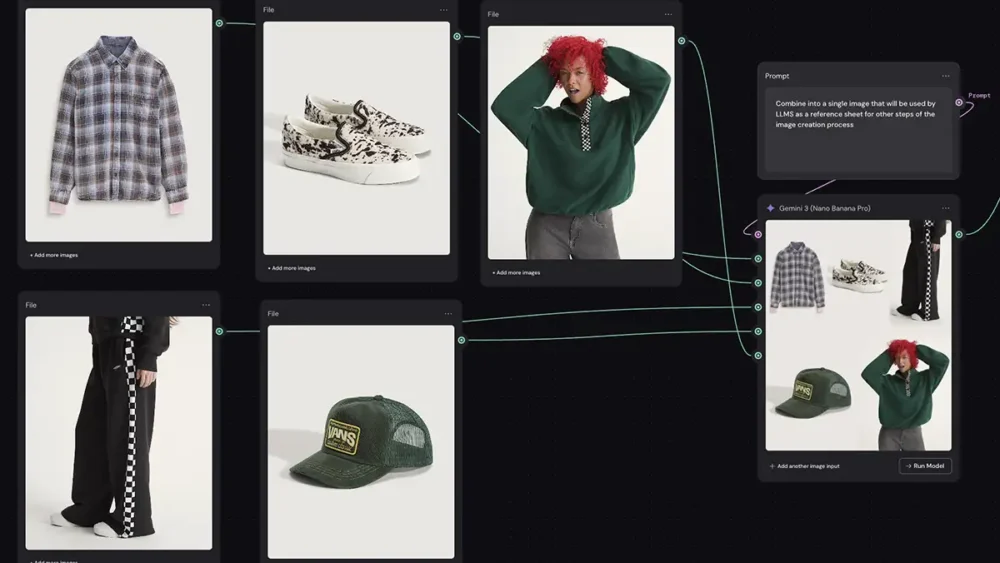
If you’ve been following the creative landscape lately, you know the noise level is at an all-time high. We are drowning in tools. You’ve got Midjourney for images, Runway for video, obscure GitHub repos for upscaling, and a dozen other browser tabs open just to get one asset out the door. That’s why Weavy (recently acquired by Figma and transitioning to "Figma Weave") has caught my attention. It’s not just another "magic button" generator. It’s... read more ›
Nov
20
The first wave of generative AI was a slot machine. You’d type a prompt into a chat box, pull the lever, and hope for a jackpot. It was novel, and sometimes you’d get lucky. But for professional work, "getting lucky" isn't a strategy. Creative direction demands precision, iteration, and control—three things the chatbot model fundamentally lacks. Regenerating an entire image just to change the lighting is inefficient and unpredictable. It breaks the creative flow and... read more ›
Nov
20
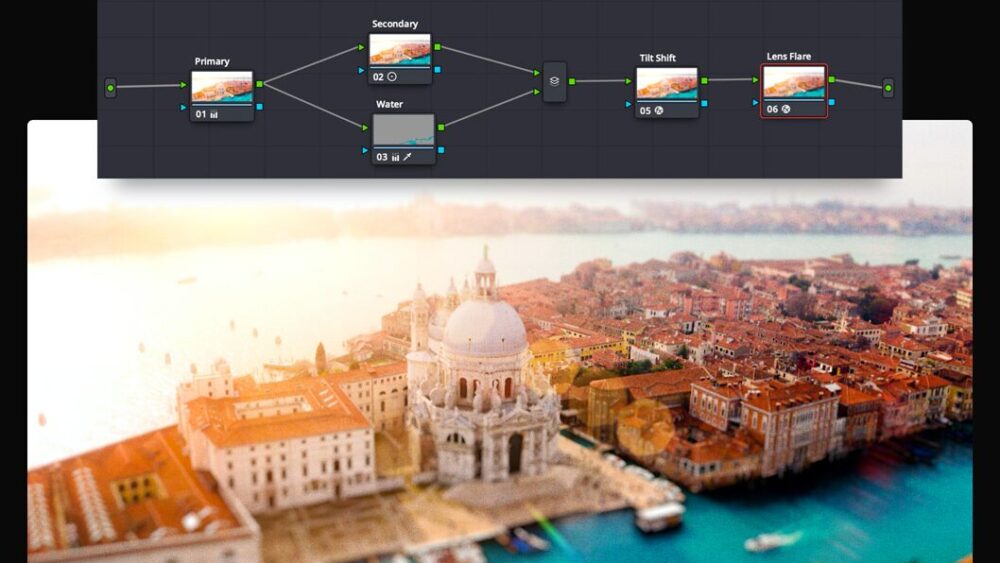
The first wave of AI image generation relied on simple text prompts—a linear process with unpredictable results. This was sufficient for experimentation, but professional workflows require repeatability, control, and scalability. The industry is now moving toward node-based "intelligent canvases." These platforms replace the black-box nature of simple prompting with visual programming. Instead of hoping for a lucky result, you build a visible pipeline where every step—from the initial model to the final color grade—is editable.... read more ›
Nov
20
The way creative professionals use AI is undergoing a seismic shift. For the past couple of years, the process has been linear and a bit like pulling a slot machine lever. You’d type a prompt into a chat box like Midjourney, get an image, and if it wasn’t quite right, you’d pull the lever again, hoping for a better random seed. This workflow is fine for ideation, but for complex, professional projects that demand consistency... read more ›