


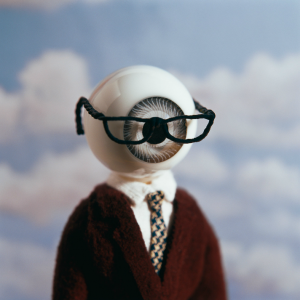
My friends at the Photo Center NW are always showcasing new work and ideas that help progress the craft of photography. I’m a huge fan (and an honorary board member) of PCNW and this is a cool event they are putting on that I wanted y’all to know about… and it’s happening THIS WEEK. A 24-hour photo marathon going down on the longest day of the year June 21 (that’s in 3 days). Rafael Soldi from the PCNW explains more and interviews two wildly creative photographers about what sustains their creativity. Take it away Rafael.
Thanks Chase. There is an oft-quoted line, supposedly from Pablo Picasso: “Every child is an artist. The problem is how to remain an artist once we grow up.” In two recent lectures hosted at Photo Center NW, we heard from two very different photographers who shared commanding stories about finding their creative force. And sometimes, as we learned, a creative force needs to be defended from external pressures to follow a prescribed route.
What sustains creativity? What are the forces that keep artists creating, and photographers inspired to share their work? We were compelled to learn more about what experiences had shaped the creative work of these two artists: Diana Markosian is a documentary photographer who at age 22 earned the Reuters photo of the year award; Grace Weston is an accomplished artist who creates constructed narrative images in elaborate studio scenes. Their stories of “un-learning” traditional modes of producing artwork, or rejecting values associated with their field demonstrated that creative hurdles are ever-present, and that they can come from personal choices and external forces alike.
As the Photo Center embarks on Long Shot, a 24-hour photo marathon, we share these stories of personal growth, in hopes that other photographers will join us and share their perspective with the world. Long Shot invites hundreds of photographers to participate by photographing anywhere they are in the world on June 21, the longest day of the year.
Tell us more about how you evolved your work beyond what was “expected” from a photographic project to what you really were passionate about?
Grace Weston: It was not a fast transition. I got to a point where my more formal, out in the field, black & white work was no longer fulfilling me. I felt uninspired and had no idea what to do next. Suddenly embarking on studio work turned everything upside down and put me back at square one. I had a lot to learn, and STILL had no idea what I wanted to shoot. I headed into still life, and made some “romantic” looking pieces, which were sort of “in style” at the time. But beauty has never been enough for me in a piece. I wanted to tell something, and found myself drawn to narrative. Magritte inspired my first successful narrative piece. I always loved the narrative found in surrealism, with its nod to dream life and the subconscious. That first piece excited me and I knew I was on the right path.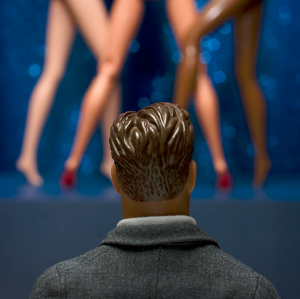
Diana Markosian: I isolate myself by traveling to some of the most remote corners of the world, immersing myself in a world that is often foreign to me. I stay in these regions for long enough to become almost invisible to my subjects. I try to push myself to find projects, which I can follow through different stages. On a personal level, I try to surround myself by other photographers, artists and people who I admire creatively. This has been the best thing for growth, just always looking for smarter and more creative people to spend time with.
Could you address the kind of “re-education” that you underwent about your process?
Grace Weston: After years of more formal black and white photography in the field I had the opportunity to assist a studio photographer. It was daunting, but also thrilling to start with a “blank canvas” instead of the “treasure hunting” of my previous work in the field. 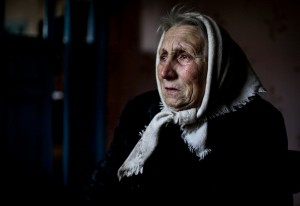
I didn’t really know if my work would fit in the fine art arena or the commercial arena. I greatly admired the work I saw in Communication Arts Photography Annuals and often I saw no reason why the work (especially the “personal work”) was not considered fine art. I found the rhetoric around the divisions between fine art and commercial work confusing, and unhelpful. I decided to ignore it, and do what I felt drawn to, what felt authentic to me, and see where it fit later.
Do you have advice for photographers who are struggling with the pressures of how to create work that resonates, and that is fulfilling artistically?
Diana Markosian: You have to photograph things you really care about, things that really interest you, not things you feel you ought to do. I don’t believe in waiting for assignments. Most of my work has been self-assigned. If you want to see the world, do it. When rejection happens (which is inevitable), don’t be turned off by it. There are editors out there who will love your work. Your job is to find them. In the end, everything has a purpose. Trust your life and believe in the work you do.
Grace Weston: Forget about the end result while in the creative phase. Please yourself. Do work that satisfies you, and addresses your own questions about the world, life, and expresses your viewpoint. At that point don’t worry about how it will be received, or if it resonates with others. If you are making work that is authentic to who you are, it’s likely it will strike chords with others. The LAST thing you should be doing while in the creative mode is thinking about others’ approval. Later on, you can reflect on what the work is about, where does it fit, who is your target audience. These are two different parts of the brain. The creative, right side of the brain does not need interference from the analytical left side while you are trying to cultivate your own voice.
Join Grace and Diana this summer for the Long Shot photo marathon on June 21. Anyone anywhere can participate, and at least one image from every participant will be exhibited online and at the Photo Center gallery on July 27. This marathon raises funds for our non-profit programs, including lectures and presentations from today’s photographers like Grace and Diana. Registration and participation is free (and so is creativity).
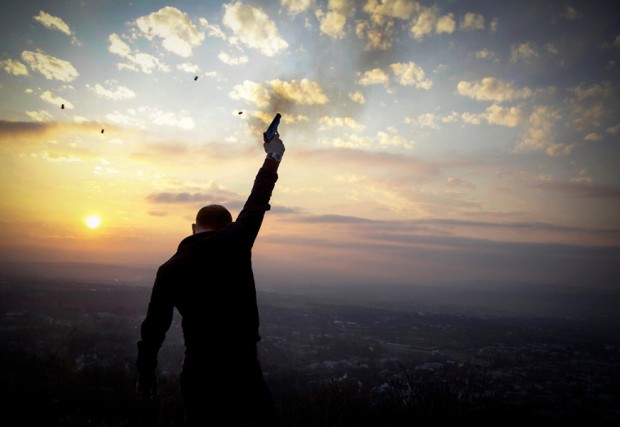
Photo: Diana Markosian
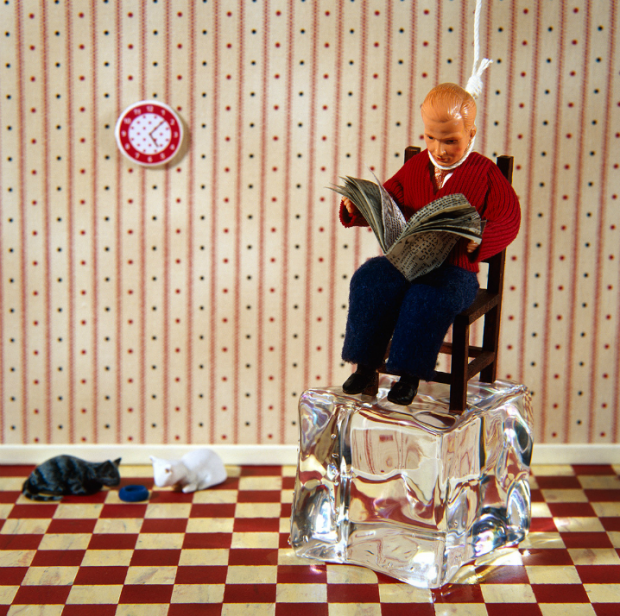
Photo: Grace Weston
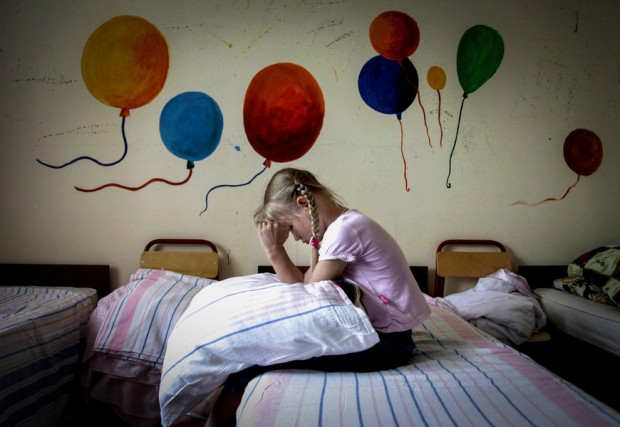
Photo: DianaMarkosian

Photo: GraceWeston
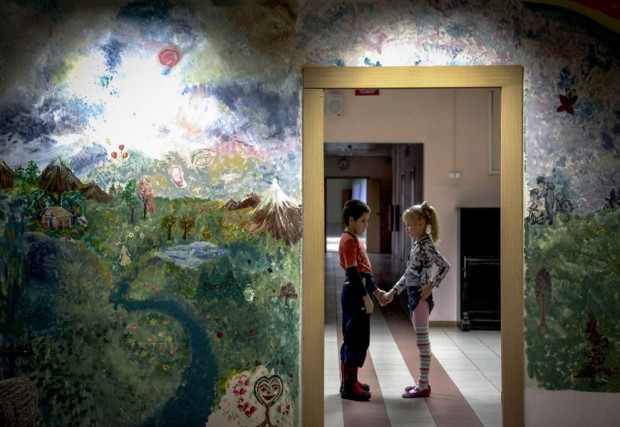
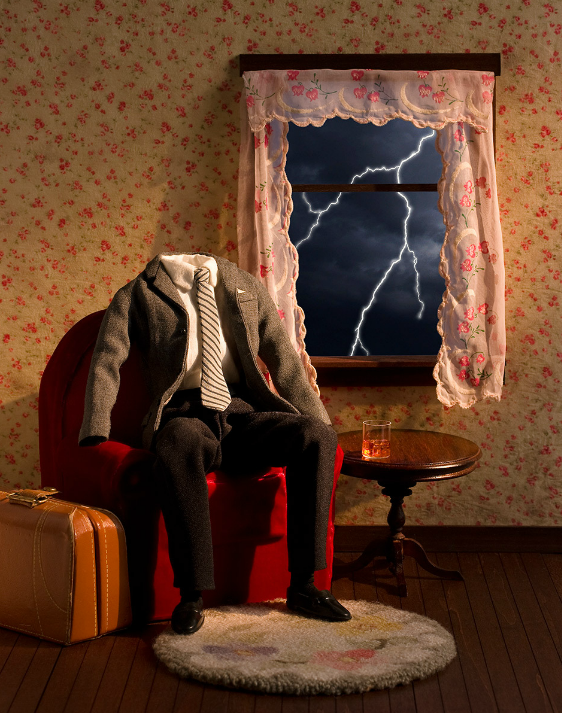







I’m very pleased to uncover this great site. I want to to thank you for your time for this particularly wonderful read!! I definitely savored every bit of it and i also have you saved as a favorite to see new stuff on your website.
To conclude the turf war the system need to be revamped , medical education need to start off with the PA/NP model and all graduates must be required to perform two years of Major Care and be designated physicians . With the stop of that period if additionally training is desired a residency / fellowship etc. could be obtained leading for the designation of Physician and Surgeon . This approach solves both of those the essential care shortage and ends these ongoing battles over “competency ” , all of which are bogus .
Yeah, the lack of zoom is a problem. It’s not that I’m lazy and can’t physically move closer, but very often the point of having a point-and-shoot is to remain unobtrusive; pick a spot, lay low and wait for the action. Not jumping up everytime you want to change framing. I guess you need to know how you like to work before you drop $3K on a tool.
strong stuff, very inspiring. the essence of the post, to me, are these Diana’s words: “There are editors out there who will love your work. Your job is to find them. In the end, everything has a purpose. Trust your life and believe in the work you do.”
cheers
wilf
Some of those clicks are super awesome.