The ground is shifting under our feet. For years, the playbook for creative professionals was to build an audience on social media. You mastered the algorithm, posted consistently, and hoped your work would cut through the noise on platforms like Instagram, Twitter, or Facebook. But those platforms are rented land. An algorithm change, a new policy, or a shift in corporate strategy can decimate your reach overnight, leaving you disconnected from the audience you worked so hard to build. The creator economy has matured past borrowed platforms. It’s time to own your audience.
This is about building a direct, resilient connection with the people who value your work. It’s about creating a channel that you control, free from the whims of an algorithm designed to sell ads, not showcase your talent. This is where dedicated newsletter and publishing platforms enter the conversation, and one of the biggest names in the game is Substack. It presents a powerful opportunity for photographers, designers, writers, filmmakers, and other creative pros to build a sustainable business around their craft. But it’s not a magic bullet. It’s a tool, and like any tool, you need to understand how to use it effectively to get the results you want.
What Exactly is Substack?
At its core, Substack is an online platform that combines a simple blogging interface with a powerful email newsletter system and payment processing. It was designed to give writers a straightforward way to publish their work directly to an audience and get paid for it. Readers subscribe to your publication, and every time you post, it goes directly to their email inbox.
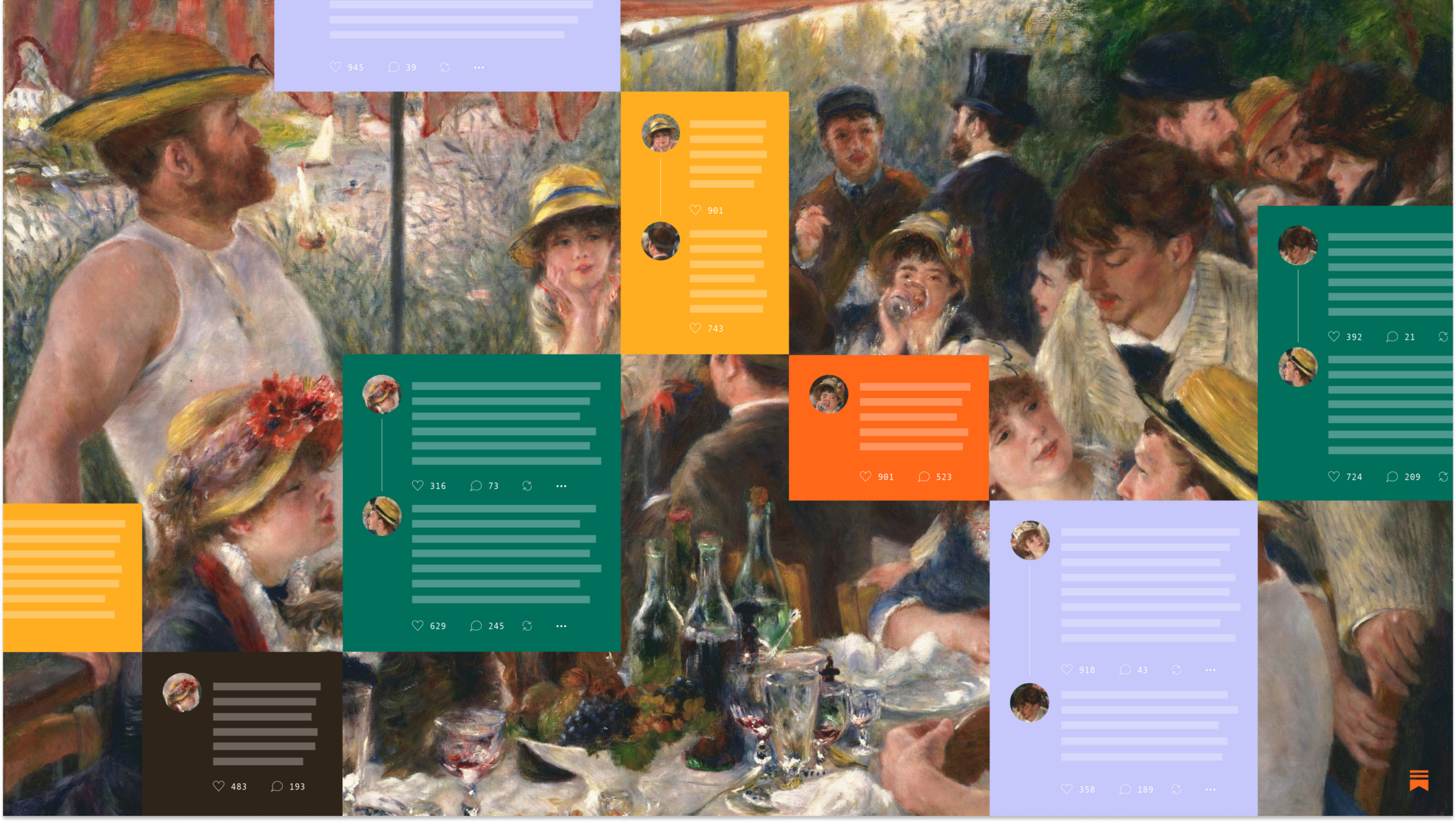
But thinking of it as just a newsletter tool is a mistake. It has evolved into an integrated ecosystem. You can host podcasts, embed videos, and foster a community through features like Notes and Chat. It’s a multi-format publishing platform built on the foundation of the most direct and valuable connection you can have with your audience: their email address. For creative professionals, it’s a tool to consolidate your audience, distribute your best work, and build a direct-to-consumer business model around your creative output.
How Can Creative Professionals Use It?
Substack is more than a place to send a weekly email. It’s a suite of tools that can become the central hub of your marketing and community-building efforts. Using it effectively requires a strategy that leverages its features to serve your specific goals as a creative.
Build Your Direct Audience Hub
The primary function here is to get people off of social media and onto your email list. This is your core asset. An email list is a direct line of communication that you own and control.
- Content Strategy: Don’t just repurpose your Instagram captions. Your Substack should offer unique, high-value content that people can’t get elsewhere. Think behind-the-scenes process breakdowns, deep dives into your techniques, gear reviews, industry analysis, or exclusive first looks at new work.
- The Free Tier as a Lead Magnet: Your free posts are the top of your marketing funnel. Their job is to be so valuable that subscribing is a no-brainer. For a photographer, this could be a monthly post breaking down the lighting and editing of a recent shoot. For a designer, it could be a case study on a branding project, showing sketches and revisions. The goal is to demonstrate your expertise and build trust.
- Consistency is Key: Whether it’s weekly, bi-weekly, or monthly, pick a schedule and stick to it. Consistency trains your audience to expect and look forward to your work, embedding you into their routine.
Leverage the Full Suite of Tools
Success on Substack means going beyond the newsletter. The platform’s other features are designed to increase engagement and build a true community, not just a list of subscribers.
Substack Notes: Your Social Layer
Think of Notes as a replacement for Twitter or Threads, but one that is directly tied to your subscriber base. Use it for short-form updates, asking questions, sharing links, and posting images that don’t warrant a full-length article. It’s a way to stay top-of-mind between your main publications and engage in conversations with the people who are already invested in your work. A videographer could post a 15-second clip of a location scout; a writer could share a single, impactful paragraph they just wrote.
Substack Chat: The Private Community
Chat is a private, mobile-first group chat for your subscribers. This is where you can build a real community. It’s a powerful tool for getting direct feedback, hosting Q&A sessions, or creating a space for your followers to connect with each other. A graphic designer could use Chat to get instant feedback on a logo concept from their paid subscribers, offering them an exclusive look and a voice in the process.
Podcasts and Video: Go Multimedia
Substack allows you to publish and distribute audio and video directly within a post. You can host a podcast discussing your creative philosophy or publish video tutorials breaking down a specific technique in Photoshop or Final Cut Pro. This allows you to serve different content preferences and adds immense value, especially for paid tiers. For example, your free post might be a written article about a filmmaking concept, while the paid version includes a 10-minute video tutorial demonstrating it.

Monetization: Creating a Sustainable Business
Substack’s business model is simple: if you enable paid subscriptions, they take a 10% cut. Stripe, their payment processor, takes another small percentage. This direct-to-creator model is clean and transparent.
The Freemium Model
The most common and effective strategy is the “freemium” model. You offer free content to attract a wide audience and then create a paid tier with exclusive, high-value content for your most dedicated followers.
- What to Put Behind the Paywall: This needs to be your best, most in-depth material. Think exclusive tutorials, downloadable assets (like Lightroom presets, design templates, or LUTs), early access to new work, detailed project case studies, or access to your private Chat community. The value proposition must be crystal clear. People aren’t just paying for content; they’re paying for deeper access to your expertise and your community.
- Pricing Your Tiers: Substack’s minimum is $5/month or $30/year. A common starting point is between $5-$10 per month. Analyze what you’re offering. If you’re providing significant business value—like a commercial photographer sharing detailed guides on how to land bigger clients—you can command a higher price. Don’t undervalue your experience.
Example Workflow for a Photographer
- Weekly Free Post: A high-quality photo from a recent project with a 300-word backstory on how it was made. The goal is broad appeal and showcasing the final product.
- Monthly Paid Post: A 2,500-word deep dive into the entire workflow for a single image. This includes the brief, gear used (e.g., Sony A7R V with a G Master 50mm f/1.2), lighting diagrams created with a tool like Set.a.light 3D, a time-lapse of the Photoshop or Capture One editing process, and the final layered PSD file for download.
- Substack Notes: Used 3-4 times a week to share quick behind-the-scenes phone snaps, ask for opinions on different edits of a photo, and link to inspiring work by other artists.
- Substack Chat: Reserved for paid subscribers. Used for a monthly “Ask Me Anything” session and to share job opportunities or casting calls first.
Example Workflow for a Writer/Illustrator
- Bi-Weekly Free Post: An essay on the creative process or an illustrated comic strip. This showcases the core talent.
- Bi-Weekly Paid Post: The free essay might discuss a storytelling technique, while the paid post includes a downloadable Scrivener or Ulysses template for outlining, a list of curated resources, and a video of the illustrator’s digital painting process in Procreate or Adobe Fresco, showing specific brushes and layer techniques.
- Substack Notes: Daily thoughts on writing, sharing interesting articles, and posting works-in-progress sketches.
- Substack Chat: A community for paid subscribers to share their own work and get feedback from the creator and each other, forming a virtual studio or writer’s group.
Is Substack Right for You?
Substack is not a passive marketing tool. It’s a publishing platform that requires a commitment to consistently creating high-quality content. It’s for the creative professional who is ready to build a business around their expertise and is willing to put in the work to serve a dedicated audience. It’s for those who want to build a resilient, long-term asset that isn’t dependent on a constantly changing algorithm.
This platform is likely a fit if:
- You have a deep well of knowledge and are comfortable sharing your process.
- You are committed to writing and creating content on a regular schedule.
- You want to build a direct relationship with your audience and foster a community.
- You are looking for a way to create a recurring revenue stream from your expertise.
This platform is probably not for you if:
- You’re looking for a quick and easy marketing solution.
- You dislike writing or creating educational content.
- You don’t have the time to consistently engage with an audience.
- Your business model doesn’t involve sharing knowledge or behind-the-scenes content.
Ultimately, Substack is a powerful platform for creative professionals who understand that owning your audience is the key to building a sustainable and independent creative career. It provides the tools, but you have to bring the most important elements: the expertise and the dedication.